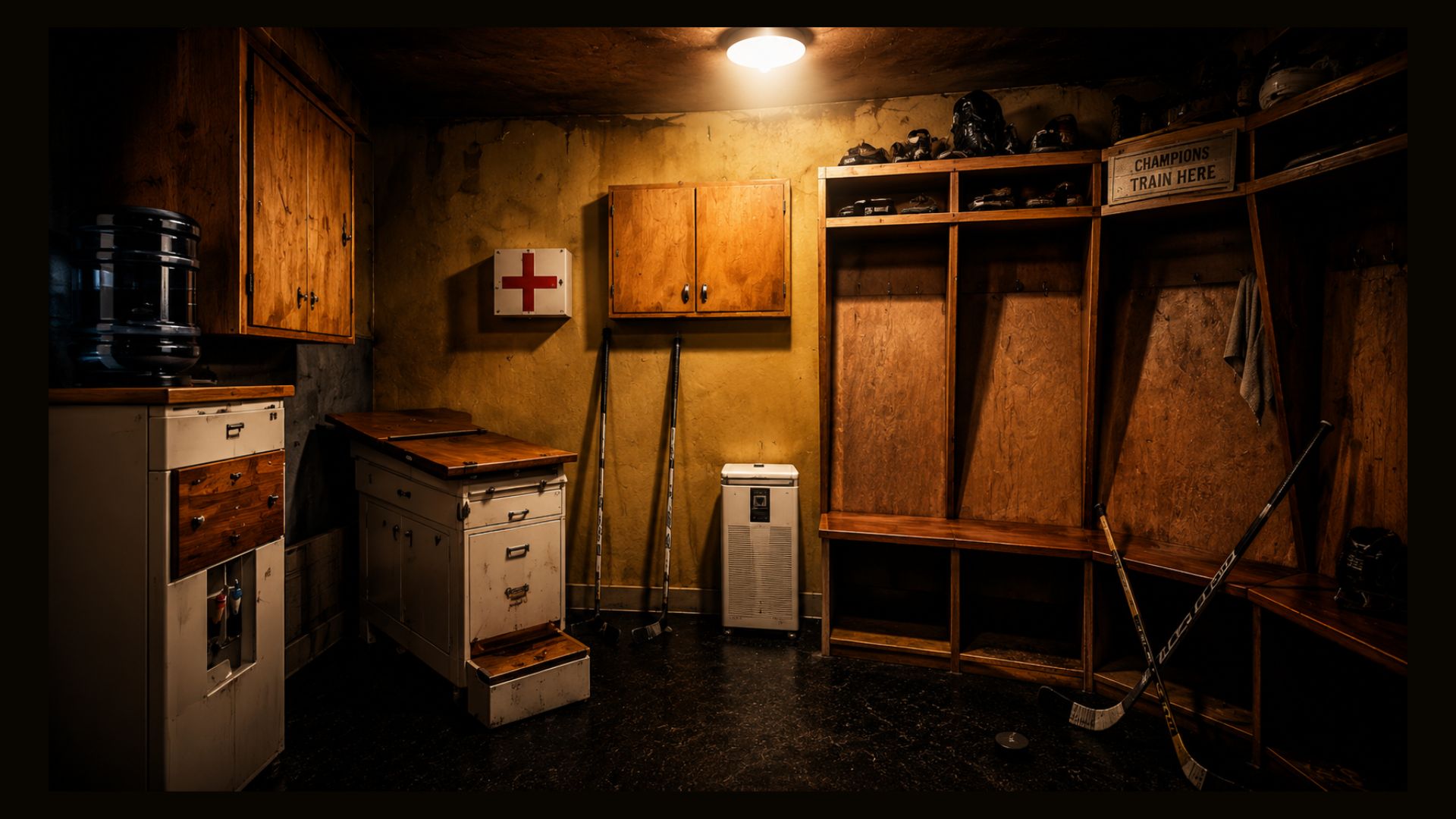
When players walk into an escape room, they often focus on the puzzles, clues, and immersive environment around them.
What many people don’t realize is that creating an escape room can take months of planning, construction, testing, and refinement before the first guests ever step inside.
So how long does it actually take to build an escape room?
The answer depends on the size and complexity of the project, but most high-quality escape rooms require hundreds of hours of work.
Every Escape Room Starts With an Idea
Before construction begins, designers spend time developing the concept and story.
This stage includes:
- Creating the theme
- Writing the storyline
- Planning the player experience
- Sketching room layouts
- Brainstorming puzzles
The goal is to create an adventure that feels exciting, immersive, and memorable.
Designing the Puzzles
Once the story is established, puzzle development begins.
Designers create challenges that encourage:
- Teamwork
- Communication
- Observation
- Problem solving
Each puzzle must fit naturally within the theme and story of the room.
Many puzzle ideas are tested, modified, or completely redesigned before they make it into the final experience.
Building the Physical Environment
After planning comes construction.
This is often the most time-consuming stage.
Walls, props, furniture, decorations, lighting, and special effects must all be built or sourced to bring the environment to life.
The goal is to create a space that immediately transports players into the story.
Adding Technology
Modern escape rooms often include technology that guests never see.
Depending on the room, this may include:
- Sensors
- Hidden switches
- Automated lighting
- Sound effects
- Electronic locks
- Custom control systems
These elements help create memorable moments and surprising reveals throughout the game.
Testing, Testing, and More Testing
Before opening to the public, escape rooms are extensively tested.
Friends, family, staff members, and test groups often play through the room multiple times.
Testing helps identify:
- Confusing clues
- Difficulty issues
- Technical problems
- Unintended shortcuts
Many changes are made during this stage to improve the overall experience.
The Work Doesn’t Stop After Opening
Even after an escape room opens, improvements continue.
Designers regularly gather feedback from players and make adjustments to improve gameplay, pacing, and reliability.
Many successful escape rooms evolve over time as new ideas are introduced.
Why It Takes So Long
The best escape rooms combine storytelling, construction, technology, and puzzle design into a single experience.
Creating that experience requires careful planning and attention to detail.
While players may spend only 60 minutes inside the room, hundreds of hours often go into creating those unforgettable moments.
Behind Every Adventure
The next time you enter an escape room, remember that you’re experiencing the result of months of creativity, construction, testing, and refinement.
That’s what transforms a simple room into an immersive adventure worth sharing with friends and family.